
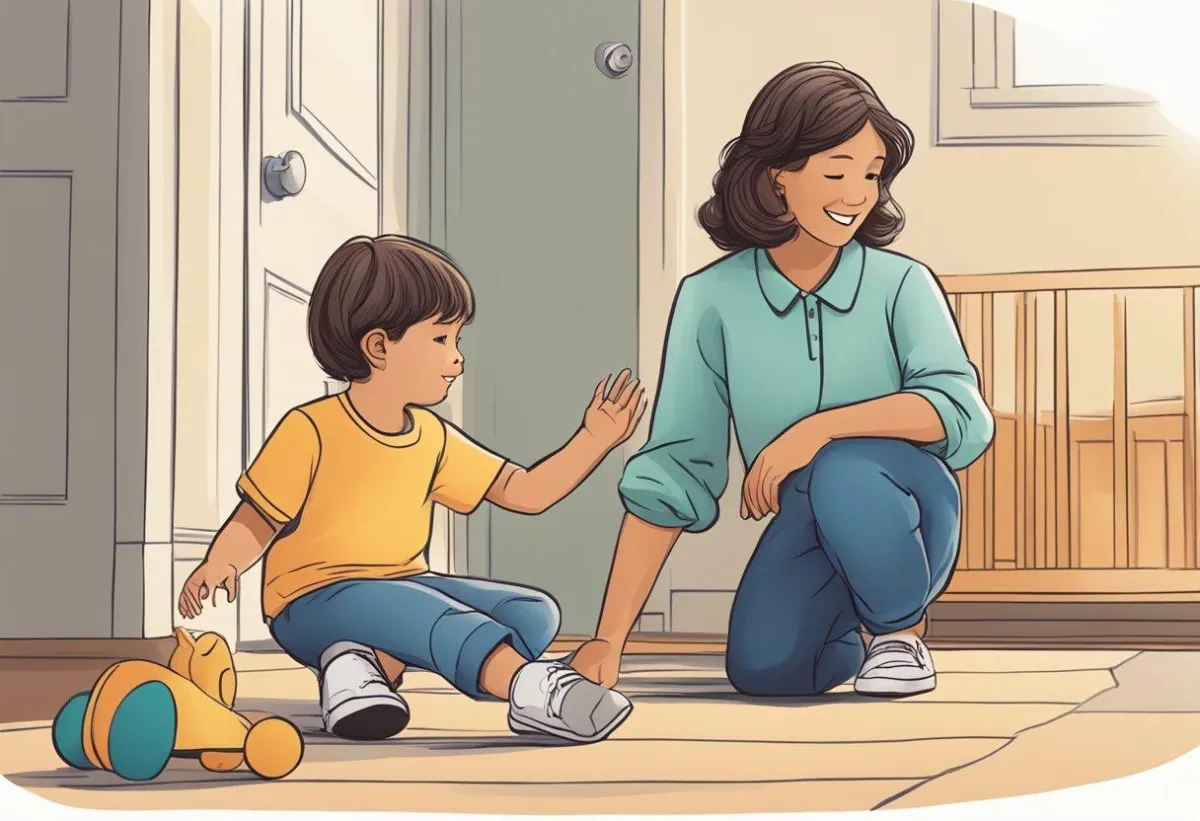
Attachment Styles and Adopted Children: Understanding Emotional Bonds
Understanding Attachment Styles in the Context of Adoption
Attachment styles play a crucial role in shaping the emotional development of adopted children. Recognizing how these styles are influenced by prior experiences and the adoption process itself is vital for supporting healthy bonds between adoptive parents and children.
Basics of Attachment Theory
Attachment theory was developed to explain the bond between children and their primary caregivers. It identifies four primary attachment styles: secure, anxious-ambivalent, anxious-avoidant, and disorganized. Secure attachment reflects a healthy bond where the child feels safe and understood. Anxious-ambivalent attachment is characterized by clinginess due to inconsistent caregiving. Anxious-avoidant attachment involves a child's persistence in emotional distance, often due to unresponsive care. Disorganized attachment shows erratic behaviors, often resulting from confusing interactions with caregivers. Understanding these styles helps in addressing the emotional needs of adopted children.
Pre-Adoption Experiences and Attachment
Pre-adoption experiences are significant factors in shaping a child's attachment style. Early attachment experiences or the lack thereof can lead to challenges in forming secure bonds. Children who have faced neglect or unstable caregiving might develop insecure or disorganized attachment styles that require attention. Understanding a child's history allows adoptive caregivers to employ effective strategies that cater to their specific emotional needs, promoting healing and adaptation in their new environment. The sensitivity and responsiveness of adoptive parents are critical in transitioning these attachment disruptions toward secure attachment.
Adopted Children and Attachment Styles
Adopted children may exhibit various attachment styles based on their individual experiences and prior caregiving. It is common for adopted children to initially demonstrate insecure attachment, but with time and a nurturing environment, they can develop secure attachments. It is crucial for adoptive parents to demonstrate patience and consistency in their caregiving approach. Creating a stable and loving environment helps children feel valued and secure, which is essential in facilitating emotional development and well-being. Educators and therapists can also play supportive roles by providing insights into attachment behaviors and guiding adoptive families toward building stronger connections.
Challenges and Difficulties in Attachments of Adopted Children

Adopted children may face unique attachment challenges rooted in early experiences such as loss and trauma. These challenges can manifest in various ways, including disorganized attachment styles and can be influenced by family dynamics and parenting stress.
Impact of Loss and Trauma on Attachment
Early separation from biological parents can lead to feelings of loss and trauma in adopted children. Experiences such as abuse or neglect may further compound these emotions, affecting their ability to form secure attachments. The trauma of these events can lead to difficulty trusting others and establishing consistent emotional connections.
You may notice that adopted children with these histories often exhibit insecurity in their relationships. They might struggle to navigate social interactions, showing signs of distress in new environments or when interacting with unfamiliar people.
Recognizing Disorganized Attachment
Disorganized attachment is prevalent in children who have experienced inconsistent or negative caregiving. This attachment style often emerges in response to environments where caregivers were sources of both comfort and fear. You might observe erratic behavior, anxiety, or confusion in children displaying this attachment style.
It's crucial for adoptive parents to understand that these behaviors are not personal attacks or manipulations but rather a product of early developmental challenges. Recognizing these patterns helps in tailoring care approaches to meet the child's needs better.
Adoptive Family Dynamics and Attachment
Family dynamics play a significant role in shaping attachment outcomes for adopted children. Parenting stress and depression can impact your ability to provide consistent emotional support. These stressors may stem from managing the child's behavioral challenges or balancing the needs of other family members.
Maintaining open communication and seeking support when needed can help mitigate these impacts. Adoptive families who foster environments of stability and empathy tend to support healthier attachment formations, promoting a sense of safety and belonging for the child.
Creating Secure Attachment Bonds in Adoptive Families

Fostering secure attachment bonds in adoptive families is essential for the emotional development of an adopted child. Key elements include building attachment security through daily interactions, emphasizing the importance of parental sensitivity, and considering therapeutic interventions when needed.
Building Attachment Security
Adoptive parents play a critical role in establishing a secure attachment environment. Daily interactions such as consistent caregiving, establishing routines, and emotional support help build trust. Encourage your child to express feelings and validate their emotions to form meaningful relationships. Regular family activities that involve teamwork and open communication also contribute to building attachment security, allowing your child to feel valued and supported.
Parental Sensitivity and Responsiveness
Parental sensitivity involves being attuned to your child's needs. Responding promptly and accurately to these needs strengthens attachment bonds. A longitudinal study might show that nurturing behaviors, such as hugging and comforting during distress, promote attachment security. Effective social work programs often train adoptive parents and foster parents on identifying and interpreting their children's emotional cues, fostering a nurturing and responsive family environment.
Therapeutic Interventions for Attachment
Therapeutic interventions can be beneficial for children experiencing attachment difficulties. Attachment therapy focuses on improving emotional connections between you and your child by addressing past traumas and enhancing current family interactions. These therapies can involve individual counseling, family therapy, or behavioral interventions. Engaging with professionals familiar with the challenges faced by adopted children, especially those from foster care, can provide tailored support and strategies for building secure bonds.
Frequently Asked Questions

Attachment styles in adopted children can vary widely, and recognizing signs of attachment disorders or difficulties is crucial. Adopted individuals, whether children or adults, may experience unique attachment challenges. Distinct strategies can foster secure attachments in adoptive families.
What are the common signs of attachment disorder in adopted children?
Adopted children may show signs of attachment disorder such as difficulty forming emotional connections, a lack of trust, or resistance to physical closeness. They might also display anxiety, anger, or withdrawal in new situations or around caregivers.
Can adopted adults experience attachment issues related to their adoption?
Adopted adults can indeed face attachment issues rooted in their adoption experiences. They may have difficulties with trust, intimacy, or expressing emotions in adult relationships. Understanding their adoption story and processing these feelings can be crucial for healthy relationships.
How does reactive attachment disorder manifest in adopted individuals?
Reactive attachment disorder (RAD) in adopted individuals might manifest as severe difficulty establishing healthy relationships. These individuals may appear indifferent, withdrawn, or distrustful even in the presence of caregivers offering consistent support and affection.
What strategies can help in building attachment with an adopted child?
To build attachment with an adopted child, consistent caregiving is key. Engage in bonding activities, establish routines, and maintain open communication. Patience and understanding are vital in creating a secure environment where the child feels safe.
How does attachment theory apply to children who are adopted?
Attachment theory suggests that adopted children benefit from secure, consistent relationships with caregivers. Early support is crucial to develop trust and emotional regulation skills. Caregivers play a pivotal role in shaping an adopted child's attachment style and emotional well-being.
Is forming a bond with an adopted child more challenging than with a biological child?
Forming a bond with an adopted child can present unique challenges due to past experiences or trauma, but it's not inherently more difficult. The process may require extra patience and strategies tailored to the child's specific needs and background.


